Crawl Space Encapsulation in North Carolina: Coast, Piedmont and Mountains
Crawl space encapsulation North Carolina owners consider depends a lot on where the house sits. A cottage near Wilmington deals with rising groundwater and storm surge, a ranch outside Raleigh fights clay and summer humidity, and a mountain place near Asheville has runoff and radon to think about. Same state, three different jobs.
The coast: groundwater and storms
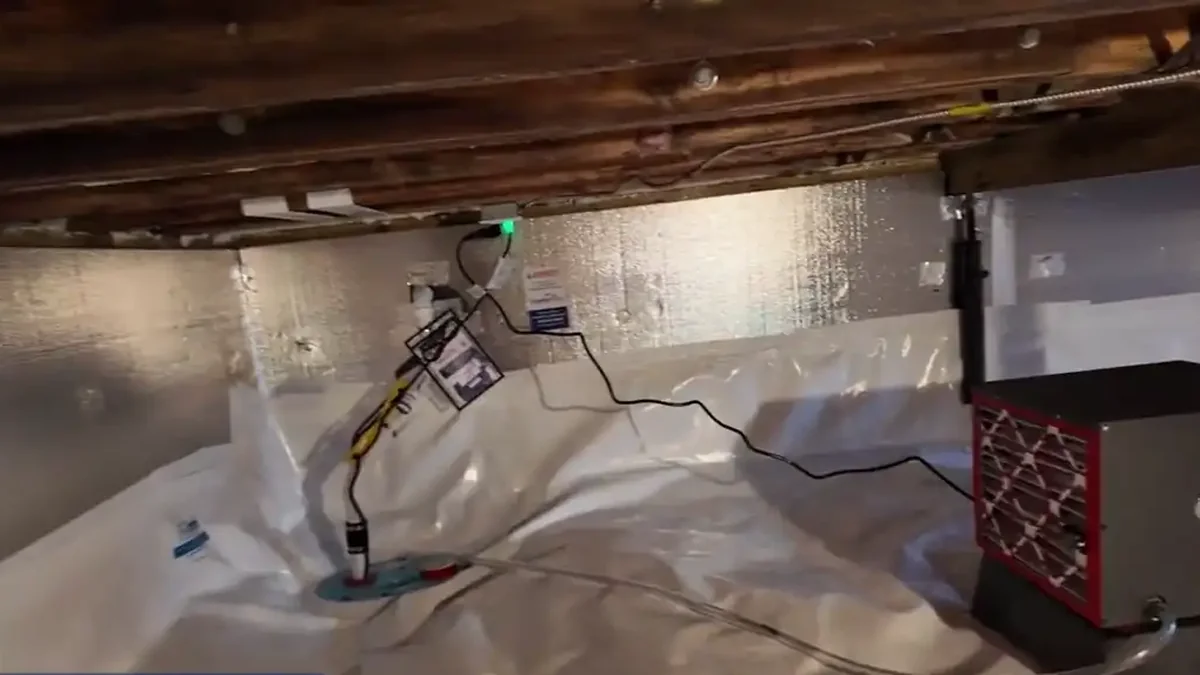
Eastern North Carolina is low and flat, with a high water table in many areas. Storms such as Hurricanes Matthew in 2016 and Florence in 2018 brought flooding well inland, and even ordinary heavy rain can raise water under a house. Coastal jobs often pair a liner with perimeter drains and a sump pump, and many pros raise equipment off the ground. Salt air also corrodes metal, so ask about corrosion-resistant fasteners.
The Piedmont: clay and humidity
The Piedmont, from Greensboro through Durham to Raleigh, sits on red clay that drains slowly. Summers are long and sticky, so vented crawl spaces pull in damp air. Typical findings are sagging insulation, musty odor and wood with elevated moisture. The usual fix is a sealed liner with humidity control and, where needed, better grading.
The mountains: slopes, runoff and radon
Western North Carolina has steep lots, heavy rainfall and cool nights. Runoff from slopes can push water toward foundations, and radon potential is higher in parts of the mountains. Storm flooding in 2024 reminded the region how quickly water can move. A liner can reduce soil gas entry but is no substitute for testing and, if needed, a radon system. Read the EPA radon page to learn how to test.
City guides for the biggest markets
Local conditions change from town to town, so start with the closest guide:
What drives crawl space encapsulation North Carolina costs
Published national guides cite an average near $5,500 with a wide range. In North Carolina, the biggest swing factors are drainage and pumps on the coast, access and size in older Piedmont homes, and slope work in the mountains. See the cost guide for how a quote is built.
Licensing, codes and permits
North Carolina licenses general contractors through a state board, and requirements depend on the size of the job, so verify claims before signing. Permits and inspections are handled by counties and cities. Our contractor checklist has seven checks, and the company comparison explains franchises versus local firms.
What to ask before choosing a liner
Ask which liner the contractor uses, how thick it is and how seams and piers are sealed. Our vapor barrier guide lists six points to cover, and the dehumidifier guide explains sizing, since nearly every sealed space needs humidity control.
Talk to a North Carolina crawl space pro
Call to describe your crawl space. We will connect you with an independent local contractor for a free, no-obligation estimate.
Free estimate. No obligation.
Frequently asked questions
Does the coast need different equipment than the Piedmont?
Often yes. Coastal North Carolina homes usually add drainage and a sump pump because of high water tables and storm flooding, while Piedmont homes may need only a liner and humidity control. Mountain homes add slopes and colder winters. The right equipment depends on the site, not the region alone.
Will a liner help with radon?
It can reduce soil gas entry, but a liner is not a radon system. Test your home with a radon kit, and if levels are high use a mitigation system installed by a qualified professional. Radon levels vary from house to house, so testing is the only way to know.
Is the work covered by flood insurance?
Usually not. Standard homeowners policies treat encapsulation as maintenance or an upgrade, and flood policies cover specific flood damage rather than prevention work. Ask your insurer in writing what applies to your policy and your flood zone before relying on any coverage for the bill.
Where should I start?
Start with the cost guide to learn the typical ranges and what drives a quote, then call for a free estimate and compare at least three written quotes. Ask each contractor about the liner, drainage, dehumidifier and warranty, and verify licensing for your area.
Crawl Space Saver is a free referral service. We are not a contractor. We connect homeowners with independent local crawl space professionals, who set their own prices and do the work.