Crawl Space Vapor Barrier: 6 Things to Know Before You Buy
A crawl space vapor barrier is a plastic sheet that covers the ground, and often the walls, to stop moisture rising from the soil. It is the core of any encapsulation, but barriers differ a lot. Here are six things to know before you pick one or sign off on an install.
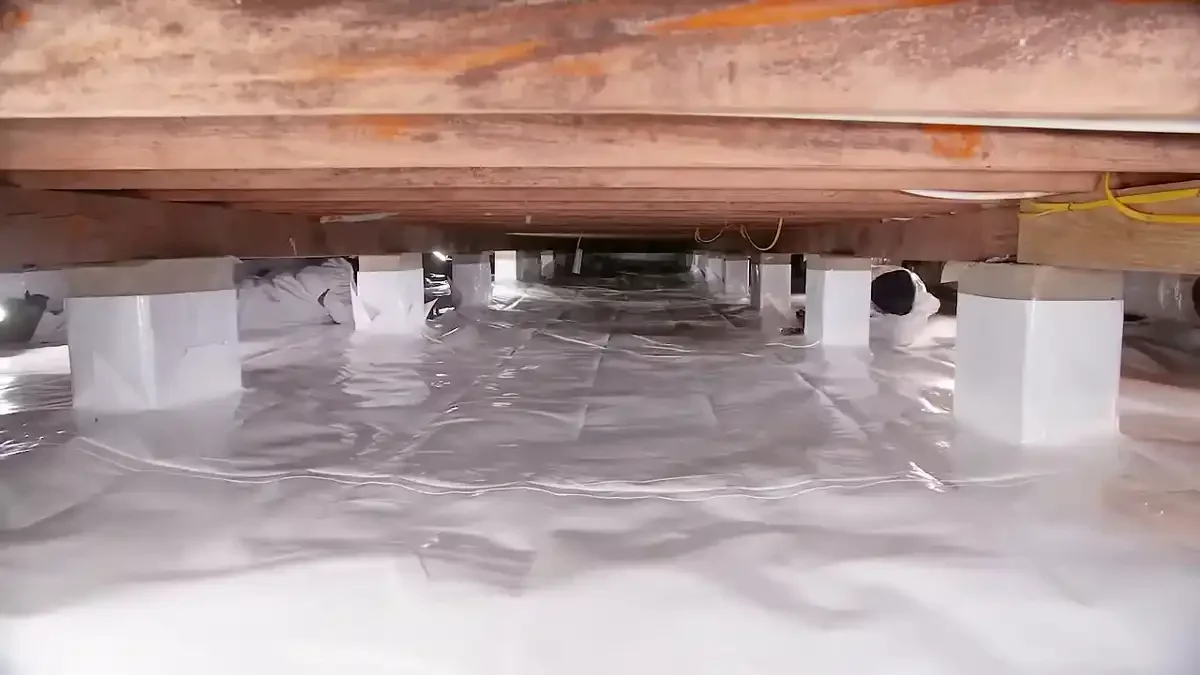
1. Why you need a crawl space vapor barrier
Soil constantly releases water vapor. In an open crawl space that vapor rises into the wood framing and insulation, raising humidity and feeding mold and rot. A barrier blocks most of it at the source. The EPA notes that moisture control is the key to mold prevention, and covering the ground is the single biggest step.
2. Thickness is measured in mils
One mil is one thousandth of an inch. Basic barriers start at about 6 mil, and many building codes list 6-mil polyethylene as a minimum ground cover, though local code varies. Pros often use reinforced 10 to 20 mil liners because they resist tears from foot traffic and stored items. Thicker is not automatically better, but a thin sheet in a space people enter is a common failure.
3. Reinforced and multilayer liners
Reinforced liners have a woven or scrim layer sandwiched between plastic. They are stronger and handle moisture better over time. Ask for the product name and the manufacturer’s warranty. Reputable installers will name the brand, not just say “heavy-duty plastic.”
4. Seams, edges and penetrations
A barrier is only as good as its seams. Sheets should overlap by a generous margin, typically several inches or more, and be sealed with compatible tape. Edges should run up the walls and be fastened, and pipes, piers and posts need careful cuts and sealing. Gaps let moisture and air bypass the liner.
5. Ground only versus full encapsulation
Covering only the dirt floor helps, but vents and bare walls still let humid air in. Full encapsulation runs the liner up the foundation walls, closes vents and adds humidity control. Many pros recommend the full system in humid climates. Read what encapsulation includes to see how the pieces fit.
6. Code and combustion air
Building rules differ by location. The International Residential Code addresses unvented crawl spaces, and you can browse model codes at ICC. If a gas furnace or water heater sits in the space, make sure combustion air is handled correctly. Ask your contractor how local code applies.
DIY or professional?
A small, dry crawl space can be a DIY job if you are comfortable crawling around and sealing seams carefully. Wet spaces, tall walls, or anything involving drainage and mold are better left to a pro, who can also back the work with a warranty. For price context, see our cost guide.
Talk to a local crawl space pro
Call now to describe your crawl space and get a free, no-obligation estimate from an independent local contractor.
Free estimate. No obligation.
Small details worth checking
Look at the edges, not just the middle. The liner should run up the walls and be fastened, with extra pieces wrapped around piers and pipes and sealed with compatible tape. Where termites are common, some installers leave a narrow inspection strip along the top of the wall so pest checks stay possible, so ask how your contractor handles it. A sturdy access door and a clear path for future inspections matter too, because a barrier no one can see will not get maintained.
Frequently asked questions
What thickness vapor barrier is best?
Many full jobs use reinforced liners from about 10 to 20 mil, while basic barriers start around 6 mil. The right product depends on foot traffic, conditions and your contractor’s system. Ask for the product name and thickness in writing, and compare reinforced and non-reinforced options.
Can I put insulation under the barrier?
No. Insulation belongs on the walls or between the floor joists, while the liner covers the ground. Putting insulation under the barrier traps moisture against it. Ask a professional to explain placement for your type of crawl space before buying materials.
Does a vapor barrier stop radon?
It can reduce soil gas entry, but a vapor barrier is not a radon fix by itself. See the EPA radon page, test your home with a radon kit, and use a mitigation system installed by a qualified professional if levels are high.
How long does a vapor barrier last?
Quality liners can last many years if they are installed well and not punctured. Thickness, reinforcement, sealed seams and how often people enter the space all affect lifespan. Ask for the manufacturer’s warranty and your contractor’s installation warranty in writing.
Crawl Space Saver is a free referral service. We are not a contractor. We connect homeowners with independent local crawl space professionals, who set their own prices and do the work.