Is Crawl Space Encapsulation Worth It? 7 Factors to Weigh
Is crawl space encapsulation worth it? For a damp, vented crawl space in a humid state, usually yes. For a dry, tight one, probably not. It depends on seven things, and we go through each one below so you can decide without a salesperson doing it for you.
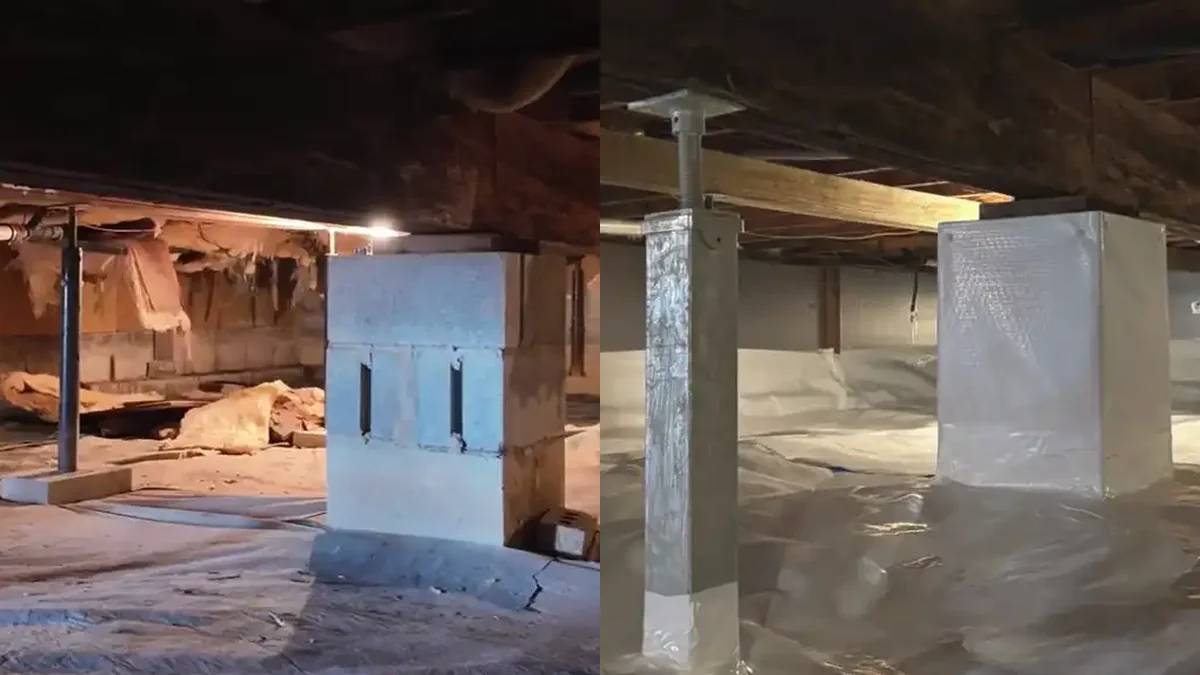
1. How much moisture you actually have
Start here. If you see standing water, damp soil, condensation on ducts or wet insulation, moisture is already causing harm and encapsulation has the most to offer. If the soil is dry, the air feels fresh and a hygrometer reads in a safe range, the benefit shrinks. A pro can measure humidity and moisture content of the wood so you are not guessing.
2. Whether mold, rot or pests are present
Moisture invites mold, wood rot and pests such as termites. The EPA states that controlling moisture is the key to mold control, which is why sealing the ground and walls is the core of this project. Sealing does not remove existing mold or repair rotted joists, so those may need separate work first.
3. Your climate
Humid regions such as Tennessee, the Carolinas and Virginia push warm, wet air into vented crawl spaces all summer. That air condenses on cool surfaces, so the case for sealing is stronger there than in a dry climate. Our state guides explain local conditions.
4. Energy and comfort
A sealed crawl space can reduce the load on your HVAC and make floors feel less cold, because the system is not fighting damp air from below. ENERGY STAR’s page on sealing and insulating a crawl space links to guides on making crawl spaces healthier and more durable. Savings differ from house to house, so be skeptical of any promised percentage.
5. Cost compared with the problem
Published guides put the national average near $5,500, with a wide range. Compare that with what a moisture problem could cost: replacing damaged insulation, repairing rotted floor framing or treating mold can add up. Use our cost guide to see what drives a quote, and get at least three written estimates.
6. Ongoing upkeep
A sealed crawl space still needs looking after. A dehumidifier uses electricity and needs filter cleaning, the drain must stay clear, and the liner should not be punctured when people store things down there. Plan on a check once a year. If nobody maintains it, the benefit fades.
7. How long you will stay
If you plan to stay for years, the comfort and protection add up. If you are selling soon, a documented, transferable warranty and a dry inspection report can help the sale, but do not assume you will recoup the full price.
Insurance rarely changes the math, since it seldom pays for preventive upgrades. Our post on insurance and encapsulation explains why.
When it is probably not worth it
Skip or delay the project if the space is already dry and well sealed, if a drainage or roof-runoff problem is the real cause, or if you cannot confirm a trustworthy contractor. Fixing gutters and grading first is cheaper and sometimes enough.
Is crawl space encapsulation worth it in your case?
It tends to pay off when you have musty odors, damp insulation, visible mold, a vented space in a humid area, or ductwork running through the crawl space. In those cases the damage gets worse the longer you wait.
Not sure? Get a free opinion
Call and describe your crawl space. An independent local pro can tell you whether sealing makes sense for your home, with no obligation.
Free estimate. No obligation.
Resale value, rebates and indoor air
There are three side benefits, but none of them should be the only reason you do it. Buyers and home inspectors often flag damp crawl spaces, so a clean, documented job and a warranty that transfers can smooth a sale, though results vary by market. Some utilities and local programs offer rebates for air sealing and insulation, so ask yours before you pay. And if anyone in the house has allergies or asthma, cutting mold and damp air under the floor may help indoor air quality, a question for your doctor as much as your contractor. Read what insurance does and does not cover before counting on any outside help.
Frequently asked questions
Does encapsulation add resale value?
It can help by showing a dry, documented crawl space, but appraisals vary and you should not count on recovering the full cost. Inspectors and buyers often flag moisture, so a clean job with photos and a transferable warranty can ease a sale. Ask a local agent.
Can I just add a vapor barrier instead?
A loose sheet of plastic helps a little, but it leaves vents open, walls untreated and seams unsealed. A full system adds sealed seams, wall coverage, closed vents and humidity control. See our contractor checklist for how full systems differ from a basic barrier.
How long does it last?
Quality liners are designed to last for many years, but lifespan depends on thickness, installation quality and how often the space is entered. The dehumidifier and seals need periodic checks, and a written warranty shows how much the installer stands behind the work.
Will it fix a musty smell?
Often, once the moisture source is controlled. Encapsulation reduces the dampness that creates odors, but existing mold, rot, standing water or animals must be dealt with first. Expect days to weeks for a smell to fade and keep measuring humidity afterwards.
Crawl Space Saver is a free referral service. We are not a contractor. We connect homeowners with independent local crawl space professionals, who set their own prices and do the work.