Crawl Space Humidity: 5 Ways to Lower It for Good
Crawl space humidity is the amount of moisture in the air under your house, and when it stays high it feeds mold, rot and pests. You can measure it cheaply and bring it down with a few steps that work. Here is how to check yours and what to do about it.
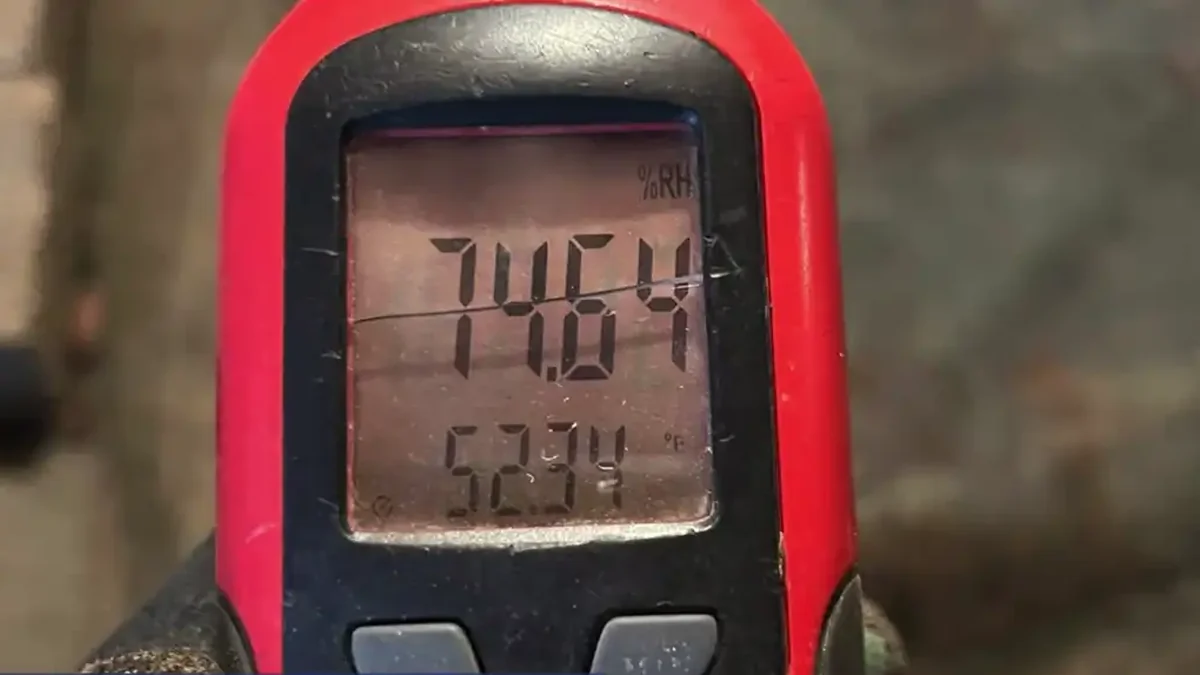
What is a safe crawl space humidity level?
Many building-science sources recommend keeping a crawl space at or below roughly 60 percent relative humidity, since mold growth becomes much more likely above that range over time. Some pros aim lower, in the 45 to 55 percent range. The EPA stresses that controlling moisture limits mold growth. Readings that stay above the 60s through summer are a clear warning sign.
How to measure it
Buy an inexpensive digital hygrometer and leave it in the crawl space for a few days, preferably in summer when readings run highest. Check it at different times, because humidity swings with weather. Moisture meters can also test wood framing, and pros use them during an inspection. A musty smell, sweating ducts and damp insulation also tell you the number is too high.
Where the moisture comes from
Soil is the largest source, releasing vapor day and night. Vented crawl spaces add humid outdoor air in summer, which condenses on cooler surfaces. Plumbing or HVAC leaks, poor drainage and roof runoff add liquid water. A pro will look for all of these, because lowering humidity means finding every source, not just running a machine.
5 ways to lower it
- Fix water sourcesRepair leaks, extend downspouts and grade soil away from the foundation so liquid water stays out.
- Cover the groundInstall a reinforced vapor barrier with sealed seams to stop vapor rising from the soil. See the vapor barrier guide.
- Close the ventsSeal foundation vents and rim joist gaps so humid outdoor air cannot flow in.
- Add a dehumidifierA crawl space dehumidifier holds the air at a safe level year round.
- Monitor and maintainKeep a hygrometer in place, check readings monthly and keep the drain and filter clean.
Why vents often make it worse
Vents were meant to dry crawl spaces, but in humid climates they bring in air that is wetter than the cool space can handle, so water condenses on wood and ducts. That is why many pros now recommend closing and sealing the vents, a practice reflected in codes for unvented crawl spaces. Check local code at ICC and ask your contractor how it applies.
What high humidity does to your home
Moist air swells and softens wood framing, degrades insulation, invites termites and carpenter ants and carries musty odors upstairs. It can also raise your cooling load, since your system works against damp air. Getting crawl space humidity down protects the structure and usually makes the house more comfortable.
When to call a pro
If your readings are high, you see mold, or water pools after rain, get a professional inspection. Combined solutions like full encapsulation address several sources at once. Compare quotes against our cost guide, and see the before and after guide for how readings should change.
Talk to a local crawl space pro
Call now to describe your crawl space and get a free, no-obligation estimate from an independent local contractor.
Free estimate. No obligation.
Frequently asked questions
What humidity is too high for a crawl space?
Sustained crawl space humidity above roughly 60 percent raises the risk of mold and wood decay, according to many building-science sources, so aim lower. Some professionals target 45 to 55 percent. Measure with a hygrometer at several spots and over several days, not just once.
Will opening the vents help?
In humid climates, opening the vents often makes things worse. Warm, moist outdoor air flows in, meets cooler surfaces and condenses, so humidity can rise instead of fall. Ask a professional before changing vents, because the right answer depends on your climate, drainage and appliances.
Can a fan fix it?
Fans move air but do not remove moisture, and they can pull in more humid outdoor air. A fan may help dry a small leak temporarily, but lasting humidity control needs the source stopped, usually with a ground liner, sealed vents and a dehumidifier.
How fast can humidity come down?
After sealing and adding a dehumidifier, readings often drop within days, but results depend on the moisture sources, the size of the space and the equipment. Wet soil and damp wood take longer to dry. Keep measuring for several weeks and contact your installer if numbers stay high.
Crawl Space Saver is a free referral service. We are not a contractor. We connect homeowners with independent local crawl space professionals, who set their own prices and do the work.