Crawl Space Mold: 7 Signs, Causes and Safe Next Steps
Crawl space mold is common in humid regions because the space is dark, damp and rarely checked. Mold needs moisture, so wiping surfaces will not fix it. You have to control the water. This guide covers seven signs, the usual causes and what to do next.
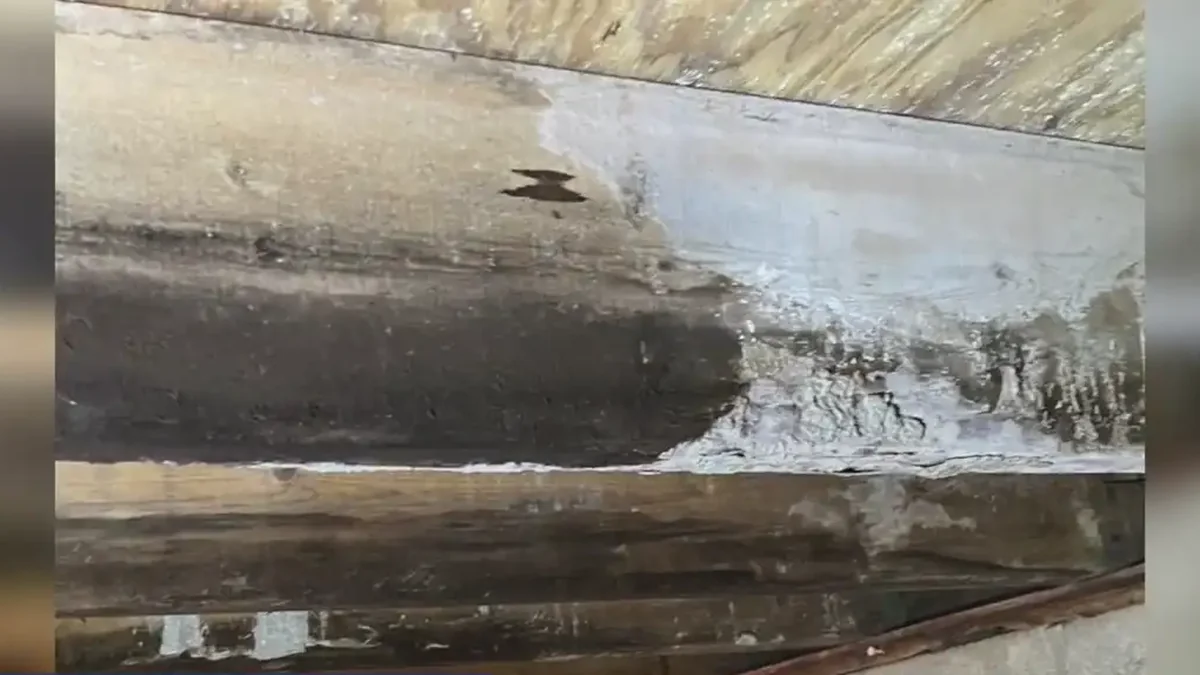
7 signs of crawl space mold
- A musty, earthy smell in the house, especially in summer
- Dark, black, green or white fuzzy patches on joists, subfloor or walls
- Damp, sagging or discolored insulation
- Condensation on ducts, pipes or the underside of the floor
- Wood that feels soft or looks stained
- Visible standing water or damp soil after rain
- Worsening allergy-like symptoms that improve when you are away from home
Many of these also point to other problems, so take them as clues. Dark spots are not always mold, and an inspection or a lab test can confirm it.
What causes it
Mold grows when spores meet moisture, organic material such as wood, and time. In crawl spaces the usual triggers are soil moisture, humid air entering through vents, leaking plumbing or HVAC condensate and poor drainage. The EPA explains that moisture control is the key to mold control. A paper in Reviews on Environmental Health also examined crawl spaces as reservoirs for mold that can affect air in the home above.
Is it dangerous?
Mold can aggravate allergies and asthma and irritate the eyes, nose and throat, and effects vary from person to person. Some people are far more sensitive than others. If anyone in the home has breathing problems, take it seriously and talk to a doctor about symptoms.
What to do next
Do not disturb it or sweep it up, because that releases spores into the air. If you go in to look, wear an N95 or better respirator, gloves and eye protection. Take photos and note where it is. The EPA’s mold cleanup page points to extra remediation guidance once mold covers more than about 10 square feet, and advises checking a contractor’s mold cleanup experience and references. Call a professional for anything larger than that, for mold on insulation or ducts and for any case where you are unsure.
Fix the moisture first
Cleaning mold without fixing the water source leads to regrowth. Repair leaks, redirect roof water, regrade soil and then control the crawl space itself. A vapor barrier, sealed vents and a dehumidifier keep humidity low enough to discourage regrowth, which is the idea behind encapsulation. Note that encapsulation does not remove existing mold, so ask your contractor how they handle cleaning and remediation before sealing.
Remediation versus encapsulation
Remediation removes or treats existing mold and damaged material. Encapsulation prevents moisture that causes it. Many homeowners need both, in that order. Some contractors offer both services and others only one, so ask for each step in writing. Our contractor checklist helps you compare bids.
What it costs
Costs vary with the area affected, the damage and whether insulation or wood needs replacing. Published encapsulation averages sit near $5,500 nationally, and remediation is usually quoted separately. See the cost guide for what drives estimates.
Talk to a local crawl space pro
Call now to describe your crawl space and get a free, no-obligation estimate from an independent local contractor.
Free estimate. No obligation.
Frequently asked questions
Can I clean crawl space mold myself?
Small, surface-level areas are sometimes manageable with protective gear, but large or hidden growth needs a professional. Wear a respirator, gloves and eye protection, avoid disturbing the mold, and fix the moisture source first. If mold is on insulation or ducts, or covers a large area, call a pro.
Will bleach kill it?
Bleach and surface products may not solve mold on porous materials such as wood or insulation, and they do nothing about the moisture that fed the growth. A professional can recommend the right cleaning or removal method, and fixing the water source is what stops mold returning.
Does encapsulation get rid of mold?
No. Encapsulation stops the moisture that feeds mold but does not remove existing growth. Clean or remove moldy materials first, then seal and control humidity so mold does not return. A contractor who covers visible mold with a liner without a plan is cutting a corner.
Should I test the air?
Not always. Finding and fixing the moisture matters more than testing, because visible growth and humidity readings already show a problem. Ask an inspector what testing would add in your case, such as hidden growth or health concerns, before paying for lab work.
Crawl Space Saver is a free referral service. We are not a contractor. We connect homeowners with independent local crawl space professionals, who set their own prices and do the work.