Does Insurance Cover Crawl Space Encapsulation? 5 Facts
Does insurance cover crawl space encapsulation? In most cases, no. Standard homeowners policies are written to pay for sudden, accidental damage, not for upgrades or the slow moisture problems that encapsulation fixes. Policies differ, so use the five points below as a starting place and get your own insurer’s answer in writing.
1. Maintenance and upgrades are usually excluded
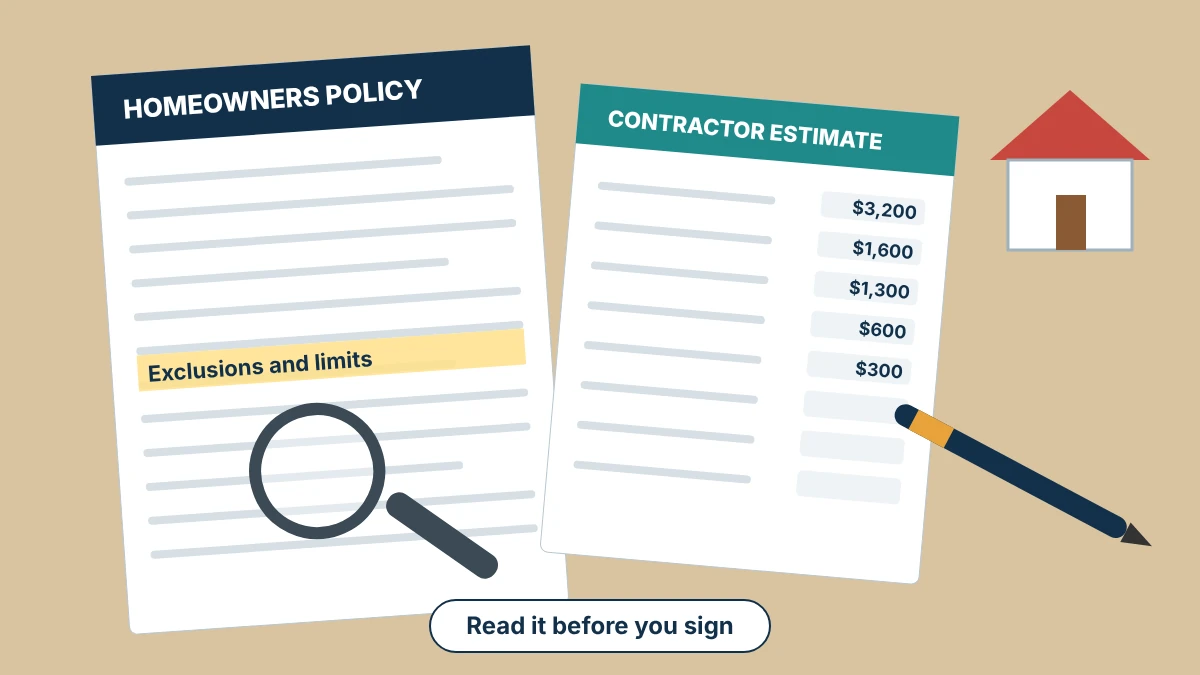
Most policies exclude wear and tear, gradual deterioration and routine maintenance. Encapsulation is generally seen as an improvement that prevents future damage, so insurers rarely reimburse it. A contractor who tells you it is “covered” should show you the policy language, not a verbal promise.
2. Sudden water damage may be covered, but not the cause
If a burst pipe floods the crawl space, the resulting damage may fall under your policy. Repairing the damage is different from paying to change how the space handles moisture long term. Even in a covered loss, the insurer may pay to dry out and repair but not to add a liner or a dehumidifier.
3. Flood is usually a separate policy
Standard homeowners coverage typically excludes flood from rising water or surface runoff. Flood coverage is sold separately, including through the National Flood Insurance Program. You can learn more at the FEMA flood map portal, which also lets you look up your flood zone. Coverage for a crawl space under a flood policy can be limited, so read the details.
4. Mold and rot coverage is often limited
Many policies cap or exclude mold, especially when it results from long-term humidity or neglect. If mold appears after a covered event, coverage may apply up to a limit. If it grows from chronic dampness, coverage is unlikely. Our mold guide explains safe next steps when you find growth.
5. Documentation and timing matter
If you think a claim could apply, report it promptly, take dated photos and keep receipts. Do not start permanent repairs before the adjuster has seen the damage unless you need to prevent further loss. Insurers may deny claims when they believe a problem was ignored for a long time.
Does insurance cover crawl space encapsulation? What to ask
Call or email and ask direct questions, then save the answers. Ask whether crawl space moisture, mold or rot are covered, what the limits are, whether flood is excluded, and whether a mitigation or maintenance exclusion applies. Ask whether installing a vapor barrier or dehumidifier could affect your premium or a future claim.
Other ways to offset the cost
Without insurance money, you can still keep the cost down. Get several written quotes, ask about financing and check whether your utility or state offers energy efficiency incentives for sealing and insulation, since some programs exist. Use the cost guide and the calculator to understand the numbers before you decide.
When coverage is worth a second look
If the damage began with a sudden event, such as a broken supply line or a storm, ask the insurer about the loss before paying out of pocket. Keep the repair estimate separate from the prevention work. If water is the main problem, the post on encapsulation vs waterproofing can help you describe it accurately to an adjuster.
This article is general information, not legal or insurance advice. Policies and state rules differ.
Talk to a local crawl space pro
Call now to describe your crawl space and get a free, no-obligation estimate from an independent local contractor.
Free estimate. No obligation.
Frequently asked questions
Will insurance pay for a vapor barrier?
Rarely. Standard homeowners policies normally view a vapor barrier as an upgrade or maintenance rather than a covered repair. Sudden damage such as a burst pipe may be covered, but installing a liner to prevent future moisture usually is not. Confirm with your insurer in writing.
Does flood insurance cover crawl space work?
It may cover certain flood damage, but coverage for a crawl space can be limited. Flood policies often exclude finished improvements and prevention work, and they differ by flood zone and program. Read the policy details and ask your agent exactly what applies below the main floor.
Could encapsulation lower my premium?
Some insurers may consider it, but do not assume a discount. Ask your agent whether a vapor barrier, sump pump or dehumidifier affects your rate, and what documentation they want. Keep your invoices, photos and warranty in case you need to show proof later.
Should I tell my insurer about mold?
Read your policy and talk to your agent. Reporting rules, deductibles and mold limits vary, and notifying an insurer can have consequences, so ask what is required and when. Document the problem with dated photos and keep repair estimates before making a decision.
Talk to a local crawl space pro
Call now to describe your crawl space and get a free, no-obligation estimate from an independent local contractor.
Free estimate. No obligation.
Crawl Space Saver is a free referral service. We are not a contractor. We connect homeowners with independent local crawl space professionals, who set their own prices and do the work.