Crawl Space Encapsulation Mistakes: 7 Red Flags to Avoid
Crawl space encapsulation mistakes are expensive because they hide under a clean white liner. A poorly done job can look finished on day one and still trap moisture, mold or pests for years. Watch for these seven red flags in the quote, during the work and in the finished space.
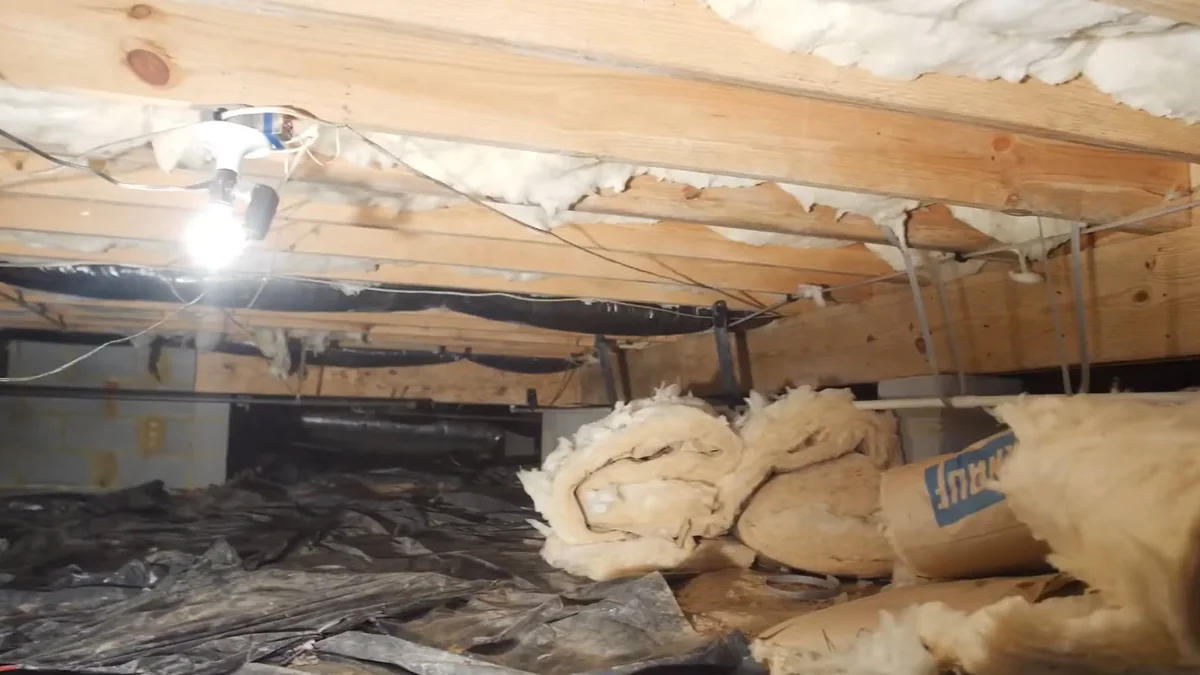
1. A thin liner in a space people enter
A flimsy sheet tears the first time someone crawls across it or stores a box down there. Many full jobs use reinforced liners rated around 10 to 20 mil, and some building codes list 6-mil polyethylene as a minimum ground cover, though local rules vary. If a quote does not name the product and thickness, ask. Our vapor barrier guide explains the options.
2. Unsealed seams and edges
A liner is only as good as its seams. Sheets should overlap generously and be taped with compatible tape, and edges should run up the walls and be fastened. Gaps around piers, pipes and posts let moisture and air bypass the barrier. If you can slide your hand under a seam, it is not sealed.
3. Sealing over wet, rotted or moldy material
A liner over damage does not fix the damage. Existing mold, soft wood and wet insulation need cleaning, repair or removal first. The EPA’s mold cleanup page points to extra remediation guidance when mold covers more than about 10 square feet, and many homeowners treat that as the point to call a professional. A contractor who offers to lay a liner over visible mold without a plan is cutting a corner.
4. Closing vents without thinking about combustion air
If a gas furnace or water heater sits in the crawl space, closing the vents can starve it of air. The International Residential Code addresses unvented crawl spaces and combustion air, and you can browse model codes at ICC. Ask the contractor how they handle appliances and what local code requires.
5. No drainage plan when the space gets wet
A liner will not stop standing water. If the space floods or collects water after rain, the quote should include a drain, a sump pump or at least a clear grading plan. Our post on encapsulation vs waterproofing explains why both pieces may be needed.
6. No dehumidifier, or the wrong one
Sealing the space removes most moisture but not all. Without humidity control, a sealed crawl space can still stay damp. Make sure the quote includes a unit rated for crawl spaces and sized for your square footage, or a written explanation of why one is not needed. See our dehumidifier guide.
7. Vague paperwork and a weak warranty
A quote that says “install vapor barrier” with a single price is a warning. You want an itemized scope, product names, a start and finish plan and a written warranty that says what it covers and whether it transfers when you sell. Ask what happens if a seam fails or the dehumidifier dies, and who you call.
How to avoid crawl space encapsulation mistakes
Collect at least three written estimates and compare them line by line. Ask for photos during the work, not just at the end, and take your own before-and-after photos and humidity readings. Run each company through our contractor checklist and the questions to ask before signing. Pressure to sign today is the most common sales red flag of all.
What a good job looks like
Expect a clean, bright space with a continuous liner, taped seams, sealed penetrations, fastened edges, sealed vents and a working drain and dehumidifier. The contractor should walk you through it and show you the humidity reading. Our before and after guide describes what changes you should be able to see.
Humid metro areas such as Nashville or Virginia Beach make humidity control and termite inspection especially important, so ask about both.
Talk to a local crawl space pro
Call now to describe your crawl space and get a free, no-obligation estimate from an independent local contractor.
Free estimate. No obligation.
Frequently asked questions
Can a bad job be fixed?
Often yes, but it may mean removing and reinstalling the liner. A bad job can trap moisture, hide mold or leave seams open, so get an independent inspection before paying a second contractor and ask what the original warranty covers. Document the problems with dated photos first.
Is the cheapest bid usually wrong?
Not necessarily, but compare what it leaves out. A low bid often skips drainage, uses a thin liner, omits the dehumidifier or offers no warranty, any of which can make the job costly later. Ask each contractor to put the full scope in writing.
Should I hire a company that pressures me?
No. Reputable contractors give written quotes and time to compare them. Pressure to sign today, a price that disappears tomorrow or a refusal to put the scope in writing are classic sales red flags. Take your time, get other quotes and walk away if the pressure continues.
Do these mistakes apply to DIY jobs?
Yes. The same mistakes catch do-it-yourself installers, from thin liners and open seams to sealing over mold and ignoring combustion air. Read our DIY guide before you start, and consider hiring a professional for drainage, mold or gas appliance questions.
Talk to a local crawl space pro
Call now to describe your crawl space and get a free, no-obligation estimate from an independent local contractor.
Free estimate. No obligation.
Crawl Space Saver is a free referral service. We are not a contractor. We connect homeowners with independent local crawl space professionals, who set their own prices and do the work.